

Can a Sports Ball Really Harm Your Roof?
Yes, repeated impacts from sports balls—like basketballs, soccer balls, and baseballs—can create real roofing issues over time. Many local homeowners in Manlius, NY notice stray balls on their property, especially in neighborhoods with active families or homes bordering parks and open fields. Though it might seem harmless, the cumulative effects can lead to roof repairs or even reduce the lifespan of roofing materials.
What Types of Roof Damage Can Occur from Sports Balls?
Impacts from balls can cause both immediate, visible damage and subtle, longer-term issues. These risks vary depending on the type of roofing material, the pitch of the roof, and how frequently the roof is exposed to sports impacts.
- Shingle Damage: Asphalt shingles, common in Manlius homes, can crack, loosen, or lose granules when hit repeatedly.
- Dented Flashing and Gutters: Metal components like flashing or gutters may dent, leading to potential water drainage problems.
- Broken or Dislodged Tiles: For homes with tile or slate roofs, balls can crack or dislodge these more fragile materials.
- Hidden Structural Wear: Even if the damage isn’t immediately obvious, repeated impacts can weaken seals or leave small gaps. Over time, this can let in water and promote leaks or mold.
Snowmelt, freeze-thaw cycles, and humidity fluctuations in Central New York can worsen these problems, especially when ball strikes cause micro-cracks or loosen existing materials.
Which Types of Balls and Games Pose the Most Risk?
Not all balls create equal risk. The material, size, and velocity matter:
- Baseballs and softballs, due to their density and speed when hit or thrown, can chip or crack roofing materials.
- Basketballs and soccer balls, though larger and less dense, spread impact over a broader area but can still loosen shingles—especially when repeatedly bounced or thrown up.
- Footballs, volleyballs, and tennis balls are usually less damaging, but persistent impacts or sharp corners (from repeated throws) can still cause localized wear.
In Manlius, many backyards double as seasonal play areas, increasing the likelihood of these impacts—particularly in cul-de-sacs, near driveways, or in yards with basketball hoops set up close to houses.
How Can You Tell If a Sports Ball Has Damaged Your Roof?
Early roof damage from sports balls can be subtle and easily overlooked:
- Look for patches of missing or frayed shingles on lower roof edges where impacts are most likely.
- Check gutters and downspouts for odd dents or separations.
- Watch for debris, such as shingle granules, washed out after a game day or a storm.
- Inside, be alert for new ceiling stains or damp areas after heavy spring or autumn rains, as ball-created gaps can turn into minor leaks.
Residents sometimes assume that weather alone caused these issues, but recurring roof encounters with balls can speed up natural wear.
What Are Common Misconceptions About Roof Durability and Sports Ball Impacts?
A frequent misconception is that modern roofing materials—especially architectural shingles—are fully resistant to casual impacts. While these products are durable, they aren’t designed for repeated blunt force, especially in spots weakened by previous hail or age.
Other overlooked factors that play a role:
- Angle of Impact: Steep roofs deflect balls more easily, but low-slope or flat sections are at greater risk for repeated hits.
- Older Roofs: Age and past repairs create weak points that are more easily worsened by seemingly harmless play.
- Hidden Gaps: Seals around vents, chimneys, and skylights are sensitive spots that can fail early with ongoing impacts.
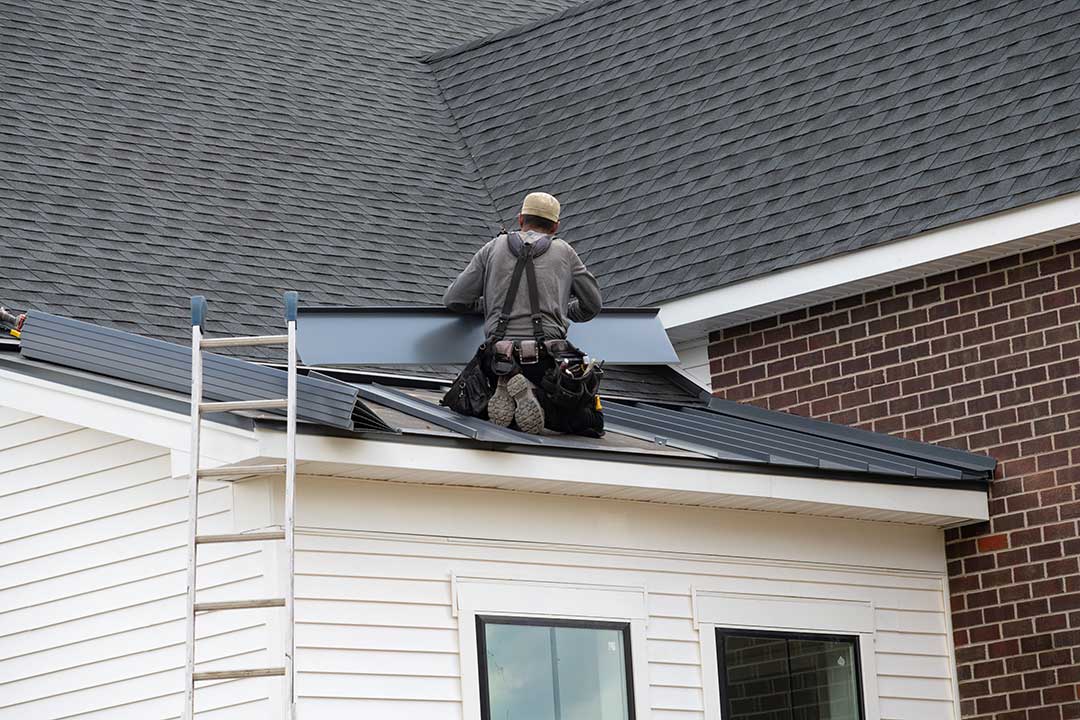
Assuming “one or two hits won’t matter” is another myth—cumulative effects add up, particularly with seasonal sports routines in family yards.
Should Residents in Manlius, NY Be Concerned Year-Round?
Roof vulnerability to sports balls varies seasonally in this region. Spring and summer, when outdoor activity increases, see more impacts. However, damage is often revealed or accelerated by autumn rains or winter freeze-thaw cycles.
After snow melts or heavy winds, any loosened shingles or flashing caused by stray balls may become more noticeable as water finds its way into gaps. Local tree cover, which can deflect or catch thrown balls, may offer some incidental protection—but branches themselves can also knock loose damaged parts afterwards.
How Can Local Residents Reduce the Risk Without Limiting Play?
It’s possible to support youth and backyard sports without putting roofing at unnecessary risk. Consider these strategies:
- Encourage ball play away from the house, especially for baseball, softball, or basketball games likely to result in high, angled throws or shots.
- Install nets or fencing in strategic areas to catch airborne balls before they reach the roof.
- Check the roof after intense play days for visible signs of ball strikes and clear off any debris quickly.
- Educate young players to aim away from the home and avoid “trick shots” that bounce balls against the house or roof.
Regular maintenance and quick clearing of balls that do land on the roof can help prevent moisture traps or additional strain during upcoming storms.
When Does Roof Damage from Balls Require Immediate Attention?
While most minor impacts won’t create sudden emergencies, watch for these signs indicating the need for an urgent check:
- Sudden onset of leaks or staining after a recent ball strike
- Tiles, shingles, or flashing visibly hanging loose
- Gutter or downspout separation noticeable from the ground
- Water accumulation or damp attic insulation after playtime
Addressing these issues sooner rather than later can prevent more extensive repairs, especially before Manlius’s rainy fall or snowy winter set in.
