
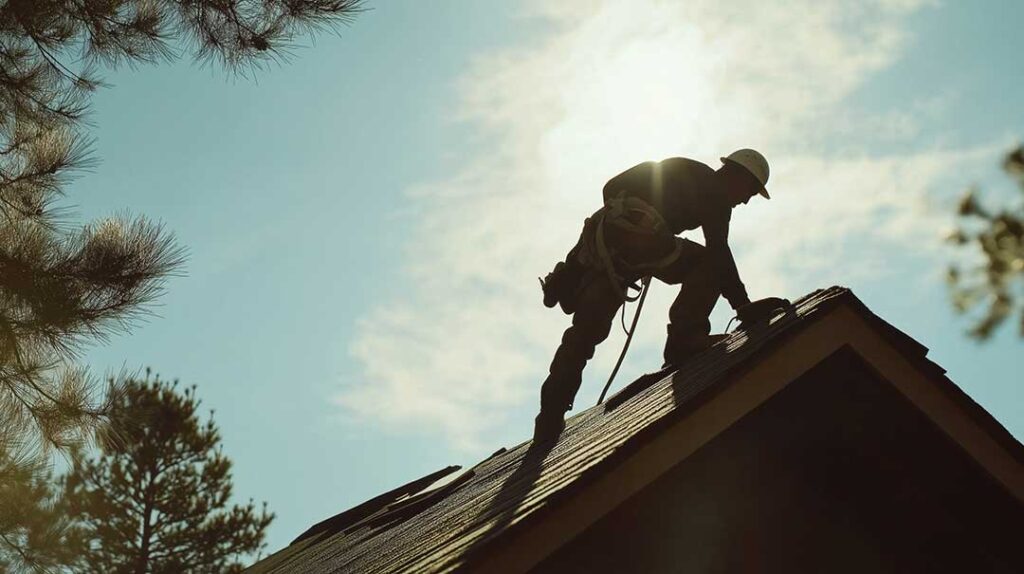
Is It Ever Safe to Work on Your Own Roof in Manlius, NY?
For many homeowners in Manlius, NY, the urge to handle minor roof repairs can be tempting, especially when weather and timing allow. However, safety must always come first. Doing roof work yourself is only advisable on small, non-structural repairs, such as clearing debris or replacing a handful of missing shingles, provided you can access the area safely and weather conditions are ideal.
Any project involving steep slopes, structural issues, extensive leaks, or working near utility lines should be avoided by those without proper training and equipment. The risk of slips and falls is especially high on unstable, mossy, or snow-covered surfaces common in the region.
What Should Local Residents Check Before Attempting Roof Work?
Before starting any DIY roof project, residents should consider more than just handiness. Carefully assess:
- Roof slope: Steep roofs are significantly more hazardous, even on clear days.
- Condition: Wet, mossy, icy, or loose shingles pose higher risks.
- Height: Two-story and split-level homes increase injury potential.
- Access: If you lack a safe, stable ladder and footing, avoid the task.
- Local codes: Some repairs may require permits, especially changes to flashings, underlayments, or major components.
A common mistake is underestimating winds in Manlius, as gusty conditions often develop unexpectedly. Even a gentle breeze can destabilize ladders or balance.
Which Projects Might Be Reasonably Safe to Do Yourself?
Some tasks can be safely managed by a cautious homeowner with proper preparation. These generally include:
- Gutter cleaning or minor clearing of roof debris, if the roof is dry and there is easy access
- Small shingle replacement jobs (fewer than a dozen), assuming you have experience and suitable footwear
- Repairing or resealing a simple pipe boot or vent, provided the work is close to the roof edge and away from eaves
Only tackle these tasks if you feel physically steady, own a non-slip ladder, and can secure yourself. Local residents should avoid DIY work during the winter and early spring, when ice may linger even after a thaw.
How Can Weather and Local Climate Affect DIY Roof Safety?
Manlius experiences pronounced seasonal shifts: winter snow, spring rains, and fall winds all impact roof safety. The prevalence of moss, algae, and debris on older homes in wooded neighborhoods further increases slip risks.
- Roof surfaces may remain damp and slippery for days after rain or melting snow, especially on gutters and shaded northern exposures.
- Wind gusts, common during storms or seasonal changes, can make delivering tools or materials unsafe.
- Summer heat can soften shingles, making them easier to damage underfoot, so stepping lightly is crucial if work cannot be avoided.
Never attempt roof work during or immediately after active rain, storms, or freeze-melt cycles.
What Kind of Safety Equipment Is Necessary?
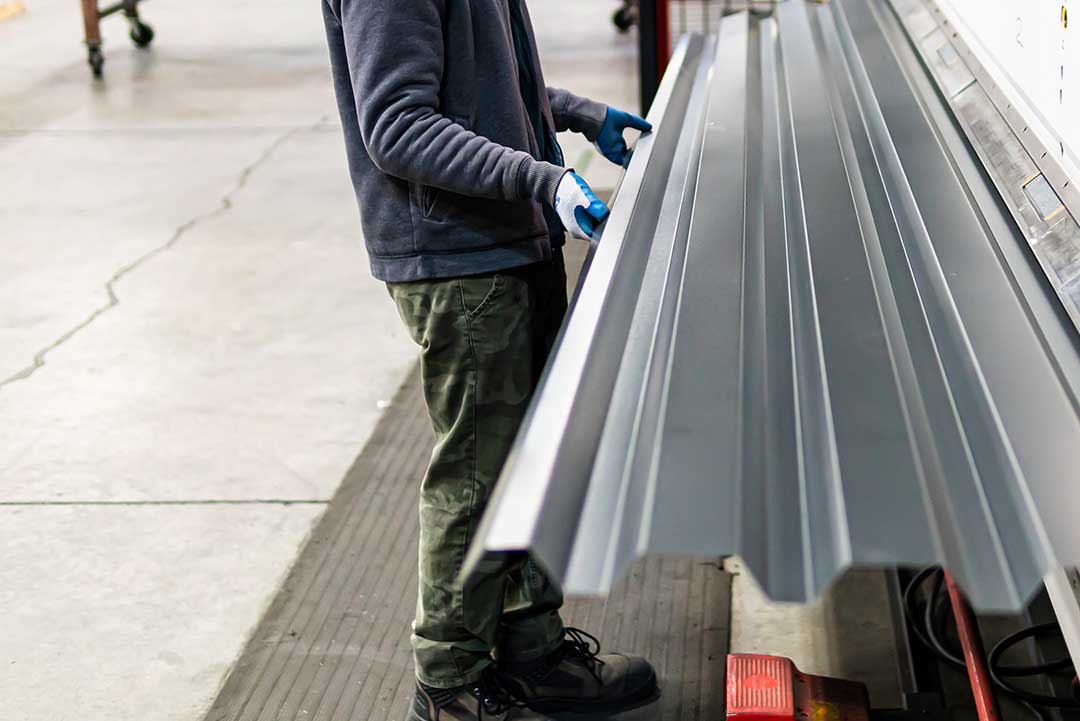
Basic household ladders and sneakers are not sufficient for safe roof work. Ideally, use:
- Roofing-specific harnesses or fall protection
- Soft-soled, slip-resistant work boots
- OSHA-approved extension ladders with stabilizers
- Sturdy gloves for working around sharp materials
Most residents in the area do not own advanced fall protection, and makeshift alternatives (like rope or towels) are not a substitute.
Safety gear is not only about personal injury. Damaging historic slate tiles or modern architectural shingles with improper footwear is a common, costly error.
Are There Legal or Insurance Risks to DIY Roofing in Manlius?
Manlius residents should consider potential legal issues or insurance complications. Some insurance policies limit claims if repairs are made improperly or if required permits are missed. For example:
- Homeowners’ policies may not cover leaks resulting from DIY installation errors.
- Structural repairs (including decking or framing) may need inspection or permits under county rules.
Before starting repairs, check your policy language and local code requirements. Fines or claim disputes are rare but possible, especially after storms.
What Should Residents Do If Unsure About Safety or Scope?
If you have any hesitation about whether a project exceeds your comfort or ability, or if you discover signs of deeper problems (like sagging decking, extensive water stains, or electrical hazards), stop work and assess risk factors. The safest option for these situations is to avoid the repair until a more thorough evaluation can be made.
Always prioritize safety over speed, and remember that not all maintenance tasks are created equal—clearing a few leaves from a dry gutter is quite different than standing on a sloped roof section 20 feet up with tools in hand. Even simple jobs require a cool head and careful preparation in Manlius.
