

A roof leak is more than a wet spot on the ceiling. Water can move through insulation, framing, drywall, electrical pathways, and attic spaces before the first visible stain appears. In Manlius, NY, changing temperatures, snow, ice, wind-driven rain, and repeated freeze-thaw cycles can give a small roof problem time to spread.
Understanding how moisture affects a home’s structure helps residents recognize warning signs early and respond appropriately.
What happens to a house when the roof leaks?
A leaking roof allows water to enter areas that are designed to remain dry. The damage may begin around a roof penetration, flashing joint, shingle defect, valley, or ice-related backup. From there, gravity and building materials can carry moisture away from the original entry point.
Water may travel along:
- Roof decking
- Rafters and roof trusses
- Attic insulation
- Ceiling joists
- Wall cavities
- Plumbing and electrical pathways
This means the location of a ceiling stain does not always identify the actual source. A wet mark near an upstairs window, for example, could be related to roof flashing above it rather than the window itself.
The longer the leak continues, the more likely it is to affect materials that support the roof, ceiling, and walls.
Can a roof leak damage the roof’s framing?
Yes. Persistent moisture can weaken roof framing, especially when wood remains damp for extended periods. Rafters, trusses, and roof decking may swell, soften, warp, split, or begin to decay.
Roof decking is particularly vulnerable because it sits directly beneath the roofing materials. If the decking loses strength, shingles or other roof coverings may become less securely supported. In severe cases, sections of the roof may sag between framing members.
Warning signs can include:
- A visible dip or sag in the roofline
- Soft or spongy areas in the attic
- Darkened or crumbly roof decking
- Damp rafters or trusses
- Nails or fasteners showing unusual rust
- Shingles that appear uneven because the surface beneath them has changed
A small leak does not automatically mean that the framing is unsafe. However, sagging, cracking, or visibly deteriorated wood should be treated as a structural concern rather than a cosmetic problem.
How can water affect ceilings and walls?
Water can weaken ceiling and wall materials even when the roof structure remains sound. Drywall may stain, swell, soften, or separate from its fasteners. Plaster can crack, bulge, or lose its bond with the underlying surface.
Moisture inside a wall cavity can also affect:
- Wall studs and plates
- Insulation
- Sheathing
- Window and door framing
- Baseboards and trim
- Fasteners and metal connectors
A ceiling that has developed a broad brown stain, bubbling paint, or a sagging section may be holding absorbed water. Standing beneath a bulging ceiling is unsafe because the material can fail without much warning. Furniture and other belongings should be moved away, and electrical fixtures in the affected area should not be touched if they are wet.
Does a roof leak cause mold or wood decay?
It can. Mold growth is more likely when building materials remain damp and receive limited airflow. Attics, wall cavities, and insulated ceiling spaces can hold moisture longer than visible surfaces suggest.
Wood decay is a separate but related concern. Decay fungi can gradually break down wet wood, reducing its strength. The process may be slow at first, but repeated leaks can create conditions that allow deterioration to continue through multiple seasons.
Not every dark stain is mold, and not every roof leak leads to structural decay. The risk depends on how much water entered, how long materials stayed wet, temperature, ventilation, and whether the leak was stopped.
Drying the area is essential, but simply painting over a stain does not resolve moisture trapped inside the structure.
Why can winter conditions make roof leaks worse?
Cold-weather conditions can expose weaknesses that are less noticeable during warmer months. Snow and ice can remain on the roof, while heat escaping from the house warms portions of the roof surface. Meltwater may then refreeze near colder roof edges or drainage paths.
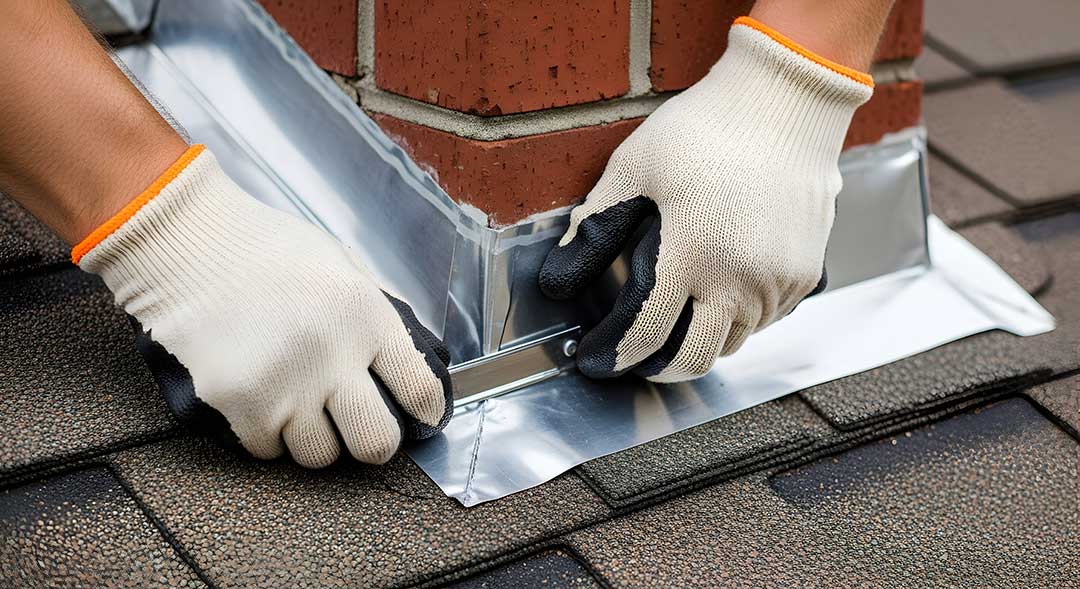
This can contribute to ice dams, which may redirect water beneath roofing materials. Freeze-thaw cycles can also enlarge small openings around flashing, roof penetrations, and aging materials.
Heavy snow adds weight to the roof system. A roof with water-weakened decking or framing may be less able to handle that load. Residents should watch for new ceiling cracks, unusual roof movement, sticking interior doors, or visible sagging after major snow or ice events.
Snow should not be removed from a roof by untrained individuals using unsafe methods. Walking on an icy roof can lead to serious injury and may damage the roofing surface.
Can a roof leak affect electrical and insulation systems?
Yes. Water can reach electrical cables, junction boxes, recessed fixtures, attic ventilation equipment, and other components. Moisture may create immediate hazards or contribute to corrosion that appears later.
Insulation can also lose effectiveness when it becomes wet. Fiberglass insulation may mat down, while other insulation types can retain moisture or become difficult to dry completely. Wet insulation against wood framing can slow evaporation and extend the period during which decay or mold may develop.
If water is near a ceiling light, outlet, switch, or electrical panel, avoid touching the wet component. Shut off power to the affected circuit only if the electrical panel can be reached safely and without standing in water. A qualified electrical assessment may be necessary when wiring or fixtures have been exposed to moisture.
How can homeowners tell whether a leak is structural?
Visible water is a warning sign, but structural concerns are more closely associated with movement, deformation, and material deterioration. Signs that deserve prompt attention include:
- A sagging ceiling or roof surface
- Cracks that grow or extend across walls and ceilings
- Doors or windows that suddenly stick
- Floors that feel uneven near a water-damaged area
- Soft, crushed, or visibly decayed wood
- Roof framing that appears bowed or split
- Repeated leaks in the same location
- Strong musty odors accompanied by damp materials
These signs do not prove that the home has major structural damage, but they indicate that the moisture problem should not be treated as a simple stain or paint issue.
What should be done after discovering a leak?
The first priority is to reduce immediate risks and document what is happening. Place containers under active drips, move belongings away from the area, and keep people away from sagging ceilings or unstable surfaces.
Photographs can help record the location and progression of stains, damp materials, and exterior roof conditions. If safe to do so from the ground, note missing or displaced roofing materials, clogged drainage paths, or visible flashing damage.
The leak source and the interior damage both need attention. Stopping visible dripping without drying wet framing, insulation, or wall cavities may allow hidden damage to continue. Drying should begin as soon as practical, using safe ventilation and equipment appropriate for the affected materials.
If the roof, ceiling, or framing shows signs of instability, avoid entering the area until it has been evaluated safely. Structural damage, electrical exposure, and extensive water intrusion can require specialized assessment because the visible damage may represent only part of the affected area.
A roof leak is easiest to manage when treated as a moisture and building-structure issue—not merely as a ceiling repair. Early attention can help limit damage to framing, insulation, interior finishes, and the systems that keep a home safe and weather-resistant.
