
What Are Cool Roofs and How Do They Work?
Cool roofs are designed to reflect more sunlight and absorb less heat compared to standard roofing materials. They achieve this through specialized coatings, light-colored materials, or advanced membranes that have higher solar reflectance and thermal emittance. For residents of Manlius, NY, this means that a cool roof can help keep homes more comfortable during warm summer months by reducing the amount of heat transferred indoors.
Many homeowners misunderstand cool roofs as being suitable only for extremely hot climates. However, their benefits extend to regions with warm seasons and fluctuating temperatures, like the area around Manlius. The reflective properties can make a noticeable difference from late spring through early fall when solar intensity is significant, even in the context of Central New York’s broader seasonal variation.
Can Cool Roofs Lower Energy Bills in Manlius?
A cool roof can help reduce energy consumption by decreasing the amount of air conditioning needed during warmer months. In Manlius, where summers can feature stretches of warm, sunny days, this translates to lower utility bills and reduced strain on home HVAC systems.
Typically, local households may notice energy savings particularly during July and August, when attic temperatures can soar under traditional dark shingles. By reflecting more sunlight, a cool roof keeps the structure cooler, which can result in:
- Lower peak cooling demand—a relief during heatwaves or periods of grid stress
- Less frequent cycling of air conditioning units, extending equipment lifespan
- Marginally lower utility costs during periods requiring active cooling
While annual savings won’t be as dramatic as those seen in the southernmost states, the long-term reductions in both cost and wear on air conditioning are meaningful, especially for larger or less shaded homes.
How Do Cool Roofs Affect Indoor Comfort?
Residents in Manlius who have previously struggled with hot, stuffy upper floors may find that a cool roof significantly moderates indoor temperatures. By blocking more sun-driven heat at the roof level, these materials can help keep attics and upper living spaces cooler by several degrees.
Even in homes without central air conditioning, the decreased heat gain can make rooms more livable during the occasional Northeast heatwave. Local households using window units or fans may depend less on constant cooling, achieving greater comfort with less equipment.
Are Cool Roofs Suitable for Manlius Winters?
A common concern is whether a reflective roof might increase winter heating costs by preventing solar heat gain. For homes in Manlius, the impact on winter heating tends to be small. The sun’s lower angle and shorter days in winter mean roofs naturally absorb less solar energy anyway. In practice, insulation beneath the roof deck plays a far more critical role in retaining heat during cold weather.
Furthermore, cool roof materials are engineered for durability through freeze-thaw cycles common in the region, provided correct installation practices are followed. They do not worsen the risk of ice dams or snow loads.
Which Roof Types Can Be Made Cool?
Modern cool roofing options cover most types found in Manlius neighborhoods, including both pitched and low-slope roofs.
- Asphalt shingles — Some manufacturers now offer light-colored, reflective shingle lines designed to perform like cool roofs.
- Metal roofing — Coated metal panels often provide excellent reflectivity and are well suited for snowy climates due to their shed properties.
- Flat or low-slope roofing — Single-ply membranes (like TPO or PVC) are inherently reflective and popular for additions, garages, or commercial buildings seen throughout the city.
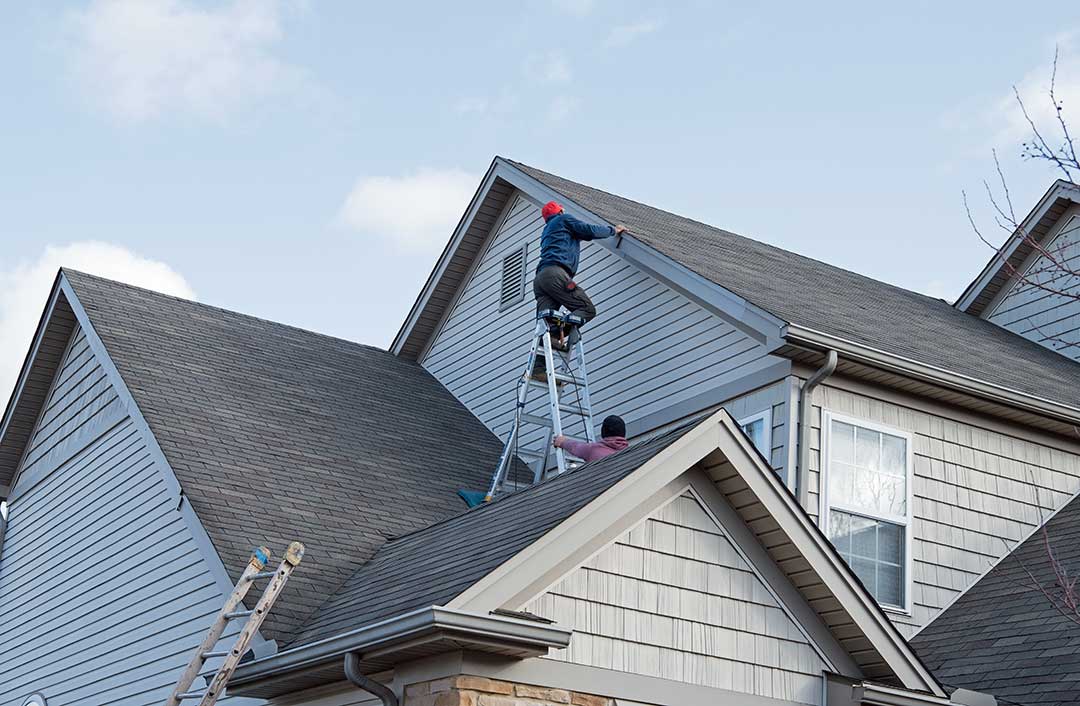
In older homes with dark, heat-absorbing roofs, upgrades are most practical during scheduled replacements or major renovations, rather than as a retrofit.
Is Installation Complicated or Disruptive?
For most residential structures in Manlius, installing a cool roof is no more complex than installing a conventional one. Materials are available in familiar shapes and sizes, and experienced installers in the area are equipped to work with these products. The most effective time to consider a switch is when an existing roof is at the end of its life, minimizing extra labor or disruption.
Choosing the correct material, color, and finish to suit the specific roof pitch and house design can make a significant difference in performance. Local building codes do not restrict the installation of reflective roofing materials, but it’s wise to check any homeowners’ association rules if applicable.
Will a Cool Roof Affect My Roof’s Longevity?
A reduced surface temperature can help extend the service life of roofing materials by minimizing the thermal stress caused by repeated heating and cooling. For example, asphalt shingles on traditional roofs can degrade faster under intense sun, especially on south-facing slopes common in Manlius. Cool roof systems often see fewer issues with cracking, fading, or early breakdown related to UV exposure.
Less heat in the attic space can also benefit the overall structure, reducing the likelihood of warped decking or sheathing and preventing premature deterioration.
What Upkeep Do Cool Roofs Need?
Cool roofs require no special maintenance beyond standard roof care in Manlius. Occasional cleaning to remove debris, leaves, moss, or pollen will preserve their reflective qualities. This is the same seasonal upkeep that helps any roof resist damage and is especially relevant in wooded neighborhoods or after spring storms.
If a roofing finish becomes visibly dirty or streaked, a gentle wash with a garden hose or soft brush is usually enough. Homeowners should avoid harsh chemicals or power-washing, as these may degrade specific coatings and shorten material lifespan.
Are There Local Incentives or Environmental Benefits?
At present, there are no citywide mandates or rebates specifically for cool roofs in Manlius. However, the reduced energy use contributes less demand on the local power grid, especially during high-use periods. This collective benefit means fewer greenhouse gas emissions from power generation—a positive for the entire community.
On a neighborhood scale, if enough homes choose reflective roofing, it can help reduce “heat island” effects in denser developments and support shared comfort, especially important for elderly or heat-sensitive residents during summer peaks.
