
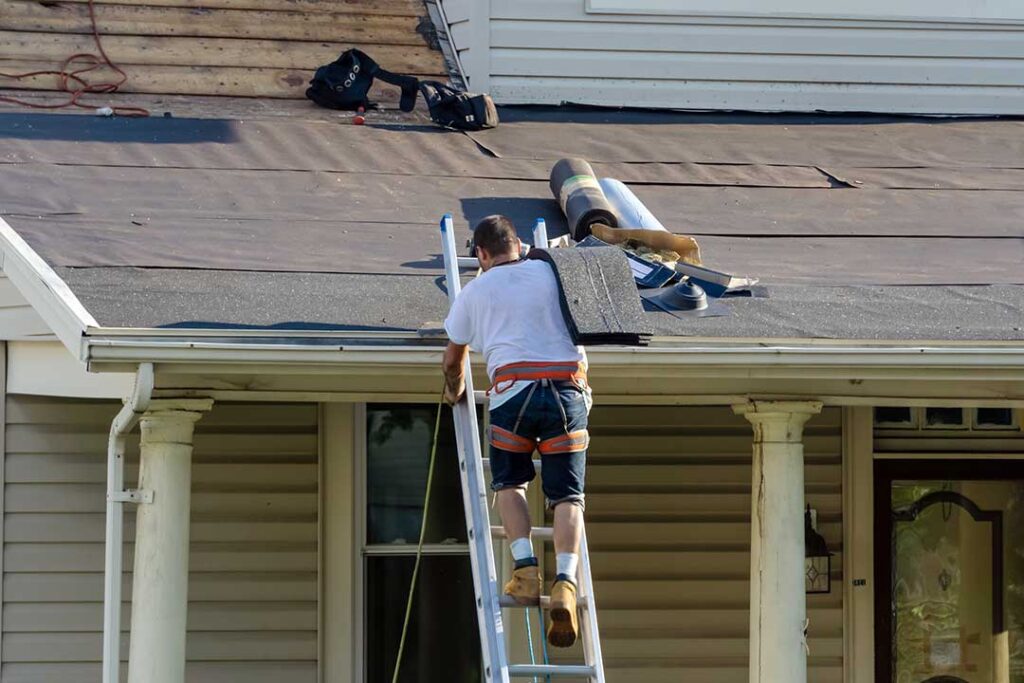
What Obvious Signs Might Mean Your Roof Was Installed Incorrectly?
Visual cues often give away installation errors. If shingles appear misaligned, wavy, or uneven when viewed from the ground, that’s a clear signal that materials may not have been laid out correctly. Residents in Manlius, NY may also notice exposed nails or loose shingle edges, both of which can quickly let local wind and weather compromise a home’s protection.
Look for:
- Shingles that don’t lay flat or have inconsistent spacing
- Nails visible above the shingle surface, especially in valley or ridge areas
- Sections where roof covering seems loose or buckled
These visual irregularities can occur on both newly built homes and older houses that have undergone recent reroofing. Factors like an inexperienced crew, rushed work, or improper preparation often underlie these problems, and early detection can help prevent bigger losses during Manlius storms and snow events.
Why Are Leaks and Water Damage a Sign of Faulty Roof Work?
Water intrusion is a sign that the roof isn’t forming a complete barrier. Inadequate installation leads to leaks far sooner than natural aging of materials would. Local households might notice stained ceilings, attic moisture, or drips inside—even with a relatively new roof.
Early leaks usually relate to:
- Incorrect shingle overlap, especially around features like skylights and chimneys
- Missing or poorly installed flashing (the metal or composite seals where roof sections meet)
- Gaps around vents or poorly integrated roof penetrations
Manlius’s climate—with significant snowfall, ice damming, and heavy spring rains—makes professional flashing work and watertight transitions especially important. Even a small misalignment or hole can channel water into attic spaces, causing gradual structural harm.
How Can Poor Ventilation and Underlayment Issues Lead to Trouble?
Every roof in Manlius needs proper underlayment and attic ventilation to function long-term. When these steps are rushed or missed during installation, problems start silently beneath the surface.
Results from omitted or poorly done steps can include:
- Excessive heat in attics during summer, raising cooling bills and aging shingles
- Trapped winter moisture leading to mold, rot, or even ice dam formation under snow
- Underlayment that is torn, wrinkled, or missing—leaving wood decking unprotected
Even if the exterior appears tidy, missing underlayment or blocked vents will shorten roof lifespan and worsen indoor air quality. These faults are especially important to check in older homes or homes with architectural challenges such as dormers, valleys, or low-slope rooflines, all common in the local housing stock.
Which Seasonal Clues Suggest Subpar Roof Installation?
Manlius’s weather provides natural tests for new roofs—clues often show up during our cold, wet, or windy stretches. Inadequate installation will fail sooner rather than later in the area’s freeze/thaw cycles and windstorms.
Problems that tend to reveal themselves seasonally:
- Ice dams forming at roof edges, indicating heat leakage or blocked gutters
- Shingle blow-off during gusty autumn or winter winds
- New roof leaking ice melt or rain in spring, especially after late-season heavy snow
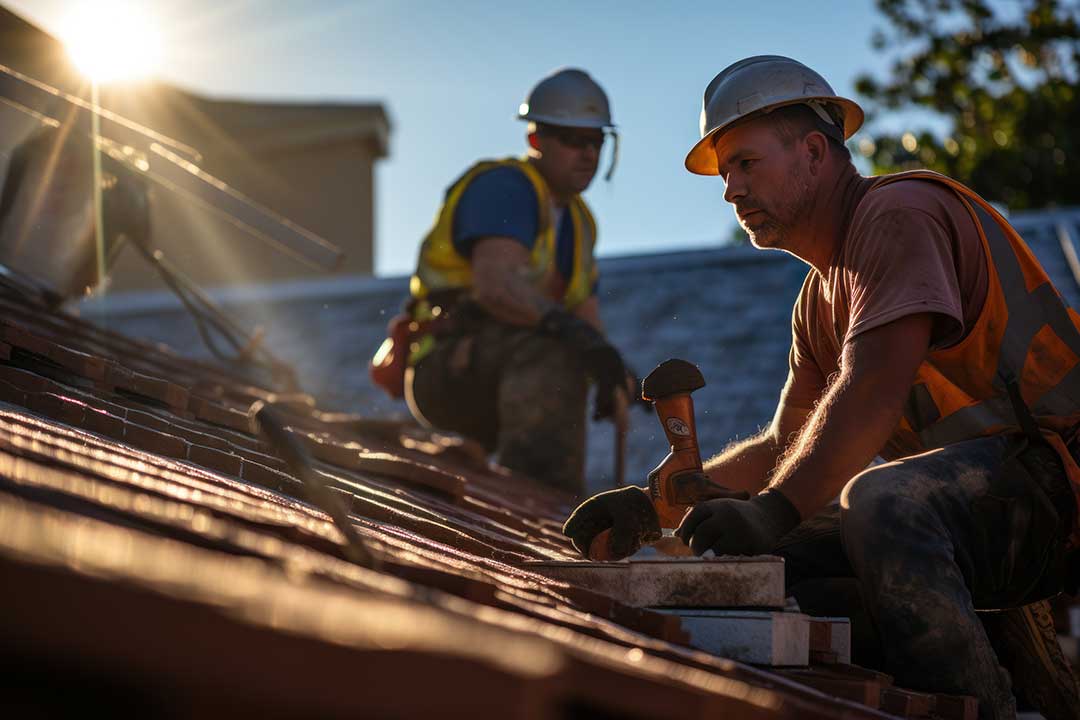
If a new or recently replaced roof immediately struggles to shed snow or keep the attic dry, installation errors—rather than defective materials—are frequently the cause. Homes shaded by trees or with complex roof designs require especially attentive work to prevent water and ice trouble.
What Overlooked Factors Contribute to Installation Failures?
Some errors aren’t obvious until a problem develops. Skipping manufacturer requirements, improper nail placement, or neglecting roof pitch and drainage needs can all set the stage for future trouble.
Other frequently missed installation factors include:
- Misplaced starter shingles, causing wind lift along roof eaves
- Incorrect alignment or spacing of shingles, reducing wind resistance
- Inadequate sealing on hip and ridge caps, letting wind-driven rain work underneath
These seemingly small errors can cause outsized damage, especially with the strong wind events and heavy snow loads common in Manlius. Local building codes and manufacturer warranties also often require specific installation practices that, if ignored, can leave homeowners with little recourse after damage occurs.
When Should Manlius Residents Seek Further Inspection or Repair?
Not all roof problems mean immediate danger, but prompt investigation can prevent major repairs later. If isolated issues such as a single missing shingle or a small area of visible wrinkling appear, these may sometimes be corrected before leaks or structural damage occur.
However, residents should be extra cautious when:
- Multiple warning signs occur simultaneously—such as visible misalignment, new leaks, and missing shingles
- Roof problems appear shortly after installation, rather than after years of wear
- There’s a repeated pattern of seasonal troubles (ice dams, wind loss, early leaks) affecting several homes in a neighborhood built at the same time
In these situations, timely attention can prevent mold, rot, and costly repairs, especially given the city’s mix of older homes and varying building standards.
