

What Is a Roof Cricket?
A roof cricket is a small, peaked structure built on the high side of a roof where two slopes meet, often behind a chimney or in a valley. Its main purpose is to divert water and debris around areas where water might otherwise pool. Unlike larger roof features, a cricket is subtle and often blends in with the roofing material.
Visualize it as a miniature roof sitting atop your main roof, nudging rain, snow, and leaves safely away from potential trouble spots. It’s commonly found near chimneys or junctions where roof sections come together. In Manlius, NY, where freezing rain, heavy snow loads, and leaf drop are frequent, crickets are especially valuable for preventing damage.
Why Is a Roof Cricket Needed?
A roof cricket helps prevent water from collecting behind features like chimneys or intersections in the roof. Pooling or slow-draining water in these spots can lead to:
- Roof leaks as water seeps into seams
- Accelerated shingle or flashing deterioration
- Ice dam formation in colder months
- Rot and mold in roof decking or attic insulation
Homes in Manlius can face significant roof stress during seasonal storms and snowmelt. Without well-placed crickets, water and ice are more likely to settle near obstructions, increasing the chance of leakage and damage that can be expensive to repair.
How Does a Cricket Work?
At its core, a cricket acts as a water-diverting wedge. It slopes away from the high side of a chimney or roof valley, dividing approaching water into two paths, each moving around the obstruction instead of hitting it directly. The angled surface encourages fast drainage and helps ensure that debris and snow don’t pile up where water runs slowest.
During a typical winter in Manlius, snow and ice frequently settle on roofs. As temperatures fluctuate, meltwater will run downslope. Crickets make it far less likely that meltwater will linger in vulnerable places, helping to prevent freeze-thaw damage and leaks caused by ice dams.
Are Crickets Required by Building Codes?
Building codes in many regions, particularly those with harsh winters or regular rainfall, may require crickets behind certain roof features. For example, national and state code guidance typically calls for a properly sized cricket on the high side of any chimney wider than 30 inches.
Local building requirements and insurance guidelines can influence whether a cricket is mandatory or simply strongly recommended. For residents of Manlius, it’s a good idea to check with local officials during major roof replacement or renovation projects, as rules can change over time and may depend on the age and size of the structure.
What Are Common Cricket Materials?
A roof cricket can be constructed from a variety of materials, often matching the main roof for both function and appearance:
- Plywood covered in roofing shingles (for shingle roofs)
- Metal, such as galvanized steel or copper (especially for flat or low-slope areas)
- A combination of wood framing and waterproof membranes beneath exterior coverings
For homes in the region, material choice often depends on the main roof type, exposure to snow weight, and durability concerns. Metal is popular for crickets in snowy climates because it sheds snow and ice more easily.
Where Are Crickets Most Common on Homes?
Crickets are most often seen:
- Behind chimneys, where water would otherwise pool as it runs down the slope
- In roof valleys, especially on complex or intersecting roofs
- At the juncture of one roof plane meeting another at a perpendicular angle
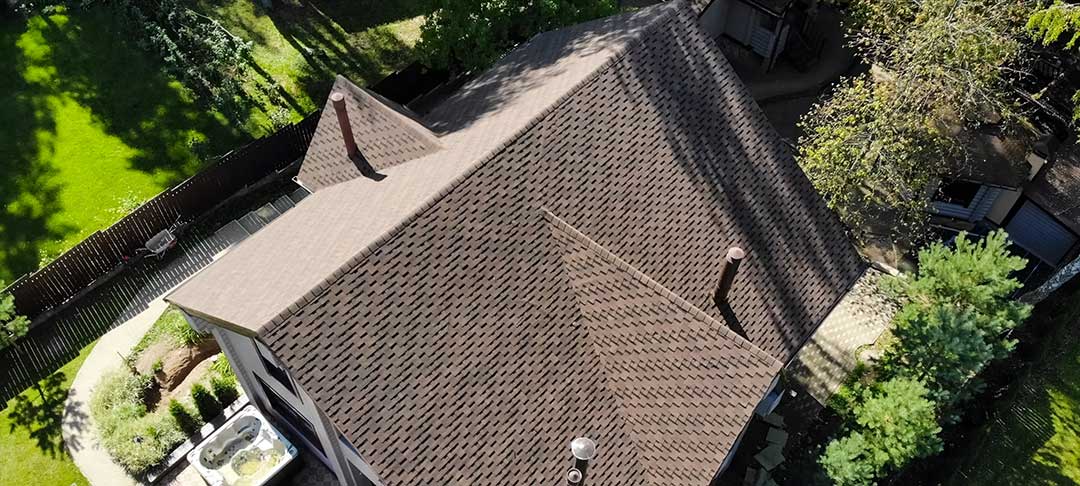
Not every roof will need multiple crickets. Simple, uninterrupted rooflines may only require one, if any. Older houses in the community—especially those built before current code updates—may have no crickets at all. Residents with complex or multi-level roofs are more likely to find them or need them added during upgrades.
What Happens If a Roof Cricket Fails or Is Missing?
Cricket failure or absence is a hidden but common cause of water and ice damage. Warning signs often include:
- Water stains appearing on interior ceilings or walls near roof features
- Shingle deterioration or repeated repairs near chimneys or valleys
- Ice dams forming regularly in winter
- Loose or rusted flashing around roof obstructions
In these cases, the cricket either isn’t the right size, was built incorrectly, or is missing altogether. Chronic moisture exposure in these areas can also attract pests or lead to mold, creating further headaches for local households.
How Can Homeowners in Manlius Identify a Roof Cricket?
Spotting a cricket is usually straightforward: look for a small, peaked structure directly up-slope from a chimney or where two roof slopes meet. The difference is easiest to notice after snow or rain—a well-functioning cricket will be free of standing water or packed snow just up-slope from these features.
It’s a good practice to take a visual survey from the ground, especially after a heavy rain or spring melt. However, avoid climbing on roofs without proper safety knowledge and equipment.
Does Every Home Need a Roof Cricket?
Not all homes need crickets, but their role is essential where water naturally gathers. Most houses with chimneys over 30 inches wide or with intersecting roof planes will benefit from properly designed crickets. In wetter or snowier regions like this, adding or maintaining a cricket can offer peace of mind and greater roof longevity, even when not strictly mandated.
For homeowners who are planning roof projects or noticing leaks near roof intersections, it's worth asking for a clear explanation of whether a cricket is needed, how it works, and what materials are best for the local climate.
