
Rain can sound surprisingly loud inside a home, especially when water strikes a metal roof, low-slope section, skylight, gutter, or roof area directly above a bedroom. In Manlius, NY, where homes experience frequent seasonal rain along with freeze-thaw cycles, reducing roof noise often involves more than changing the roofing material. The roof assembly, attic insulation, ceiling construction, gutters, and interior finishes all influence how much sound reaches living spaces.
Why does rain sound loud on some roofs?
Rain noise is created when falling water transfers energy to a roof surface. That vibration can travel through the roof deck, framing, insulation, and ceiling before reaching the rooms below.
Several conditions can make the sound more noticeable:
- Metal roofing can produce a sharper, higher-pitched sound than many asphalt-shingle roofs, particularly when installed over open framing.
- A roof over a porch, addition, garage, or vaulted ceiling may have less insulation and fewer layers between the roof and the room.
- Lightweight roof materials can vibrate more easily than heavier assemblies.
- Large, uninterrupted roof planes can collect and transmit sound over a broad area.
- Gutters and downspouts may amplify dripping, splashing, or water flow near windows and walls.
- Bare attic spaces can allow sound to travel through the ceiling with little absorption.
Rain may also seem louder in quiet homes at night. A sound that is barely noticeable during the day can become prominent when heating and cooling systems, appliances, and outdoor activity are reduced.
Can attic insulation reduce rain noise?
Yes. Additional attic insulation can reduce the amount of rain sound that passes from the roof deck into the rooms below, although it may not eliminate the noise entirely.
Loose-fill or batt insulation absorbs some airborne sound and helps separate the roof deck from the ceiling. The improvement is usually more noticeable when the attic floor is well covered and there are no large gaps around recessed lights, plumbing penetrations, attic hatches, or ductwork.
Insulation works best as part of a complete ceiling assembly. A thin layer placed only in a small section of the attic may have limited impact if most of the roof area remains exposed. In homes with vaulted or cathedral ceilings, insulation may be installed within the roof cavity rather than across an attic floor. That work requires attention to ventilation, moisture control, and the available depth of the framing.
In a cold, snowy climate, insulation should not block required roof ventilation paths. Eaves, soffits, and ridge ventilation help manage moisture and heat in the roof assembly. Closing those air channels with insulation can create condensation problems, even if the room becomes somewhat quieter.
Does replacing the roof make it quieter?
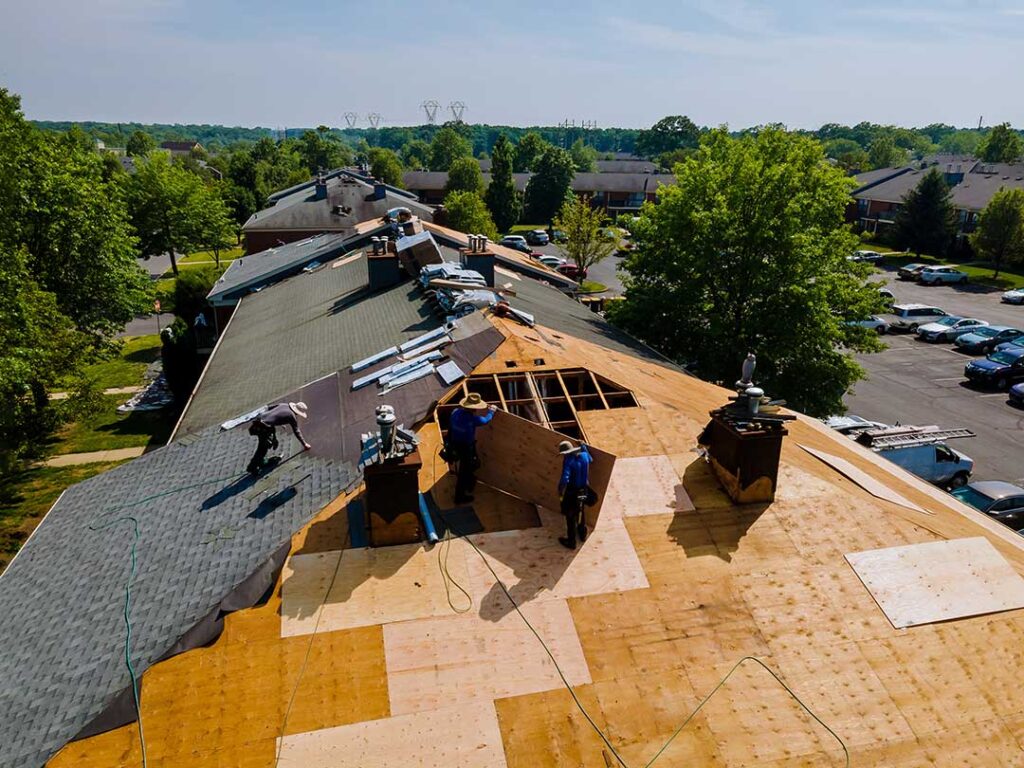
A roof replacement may reduce or increase rain noise depending on the materials and installation method. The visible roof covering is only one part of the sound-control system.
Asphalt shingles often produce less pronounced rain noise than exposed metal panels because they have a textured, layered surface. However, the difference depends on what lies beneath them. A shingle roof installed over a solid roof deck, underlayment, and insulated ceiling may be quieter than a metal roof installed over open framing. A poorly insulated shingle roof can still transmit noticeable sound.
Roof replacement may also be an opportunity to improve:
- Damaged or loose roof decking
- Missing underlayment
- Gaps around roof penetrations
- Inadequate attic insulation
- Poorly sealed ceiling openings
- Loose flashing that rattles during wind-driven rain
A heavier roof covering is not automatically the right solution. Structural capacity, ventilation, water management, fire performance, and local building requirements also matter. Noise reduction should be considered alongside the roof’s ability to handle snow, ice, wind, and moisture.
How can metal roofing be made quieter?
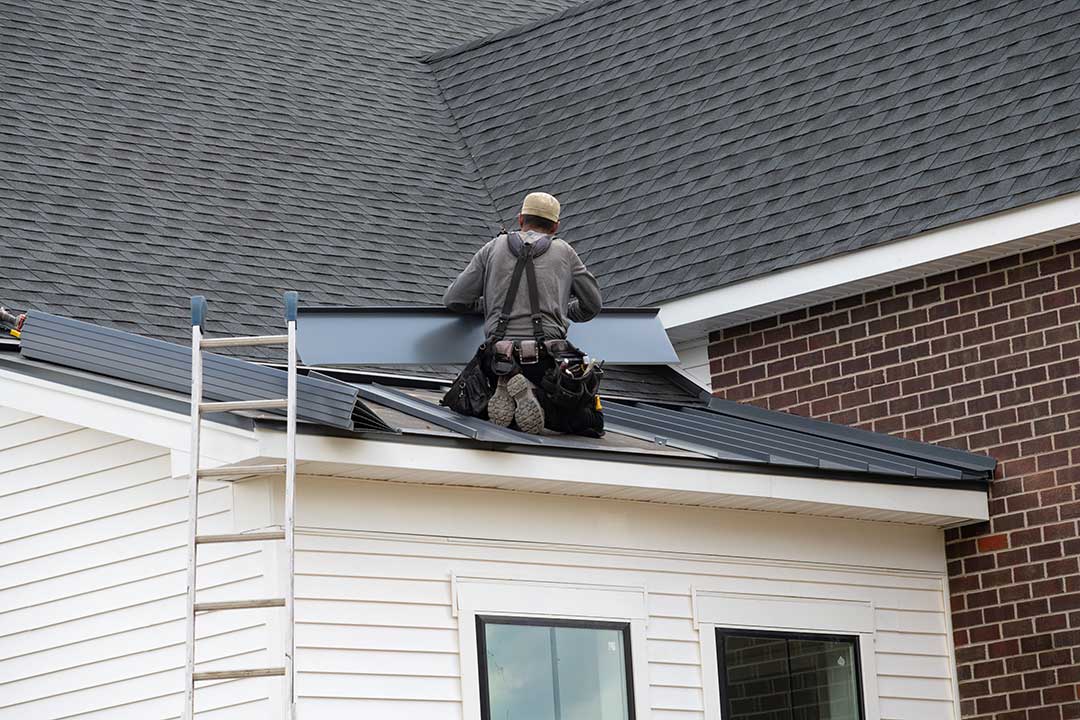
Metal roofing can be relatively quiet when installed over a solid deck with appropriate underlayment, insulation, and a finished ceiling. The loudest installations are often those with an open cavity beneath the panels, such as an uninsulated porch roof or a lightly built addition.
Possible sound-reducing features include:
- A solid wood roof deck beneath the panels
- Continuous underlayment suited to the roofing system
- Adequate insulation in the roof or ceiling cavity
- A finished ceiling instead of exposed framing
- Properly secured panels and trim
- Isolation between metal components that may vibrate or rub
- Careful fastening around ridges, valleys, edges, and penetrations
Metal panels can also produce clicking or popping sounds as they expand and contract with temperature changes. That sound is different from rain noise and may be affected by panel design, fastening, movement allowances, and installation details.
Adding insulation after the roof is installed can help, but access may be difficult in a finished cathedral ceiling. Cutting into the ceiling solely to reduce rain noise can introduce repair, moisture, and air-sealing concerns, so the construction details should be considered before work begins.
Why do gutters and downspouts sometimes sound louder than the roof?
Water flowing through gutters and downspouts can create a concentrated sound that is more noticeable than rainfall on the roof surface. This is common near bedrooms, porches, entryways, and exterior walls.
Noise may come from:
- Water falling from a roof edge into a gutter
- A downspout discharging onto a hard surface
- A loose gutter vibrating against fascia
- Water striking a gutter cover or elbow
- Partial blockage that causes splashing or overflow
- Downspouts attached loosely to the wall
Keeping gutters clear of leaves and sediment can reduce irregular splashing. Downspout extensions that direct water onto soil, gravel, or another appropriate drainage surface may also soften the sound compared with water striking concrete or metal.
Any change to drainage should preserve proper flow away from the foundation. Quieting a downspout by redirecting water toward a wall, walkway, basement window, or neighboring property can create a more serious moisture problem.
Can interior improvements help?
Interior finishes can reduce the amount of rain noise that seems to enter a room. A solid, properly attached ceiling generally blocks more sound than exposed rafters or thin paneling. Additional drywall layers, resilient channels, dense insulation, rugs, curtains, and upholstered furnishings may reduce reflected sound inside the room.
These changes are most useful when the noise is already relatively moderate. They will not correct a loose roof panel, an open ceiling cavity, a damaged roof deck, or a gutter that is overflowing.
The attic hatch is an often-overlooked weak point. A thin or poorly fitted hatch can transmit sound directly into a hallway or upper-floor room. Weatherstripping and an insulated, properly supported hatch cover can improve both sound control and energy performance.
What should be checked before making changes?
Rain noise can sometimes reveal a maintenance issue rather than a simple acoustic preference. During or after a storm, observe whether the sound is consistent across the roof or concentrated in one location.
Look for:
- New rattling, tapping, or metallic clanging
- Water stains on ceilings or upper walls
- Damp insulation or musty attic odors
- Sagging roof decking
- Overflowing or disconnected gutters
- Loose flashing near chimneys, vents, or skylights
- Drips that continue long after rainfall ends
- Ice buildup or blocked drainage during freezing weather
Do not enter a roof area or climb onto a wet roof to investigate. Roof surfaces, ladders, and gutters become especially hazardous during rain, frost, and snow. Electrical wiring, unstable decking, and hidden moisture can also create attic hazards.
For many households, the most effective approach is layered: maintain drainage, seal obvious ceiling gaps, improve attic insulation without blocking ventilation, and address loose or damaged roof components. If a roof is being replaced or a vaulted ceiling is being remodeled, sound control can be included in the design rather than added later.
