

What Roofing Materials Stand Up Best to Central New York Weather?
In Manlius, NY, the mix of cold winters, heavy snowfall, spring rains, and occasional summer hail makes roof durability essential. The materials chosen need to handle freeze-thaw cycles, resist wind damage, and shed precipitation efficiently.
The most durable roofing materials used locally are asphalt shingles (especially architectural styles), metal roofing, slate, and certain high-quality synthetic options. Each offers distinct advantages and considerations for local households.
Are Asphalt Shingles Durable Enough for the Local Climate?
Standard asphalt shingles are common across Manlius due to affordability and ease of installation. However, not all shingles perform equally.
- 3-tab shingles (the traditional flat type) last 12-20 years but are more prone to wind and ice damage.
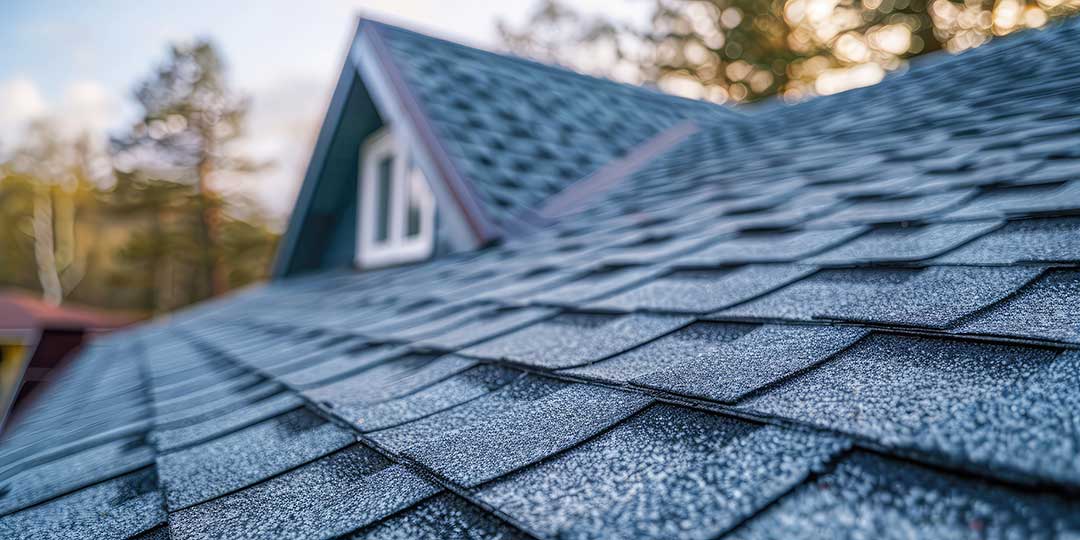
- Architectural (laminated) shingles, often called dimensional or composite shingles, have multiple layers. These last 20-30 years and offer better resistance to high winds, hail, and heavy snow loads than entry-level 3-tab options.
- Look for shingles with high impact and wind ratings suitable for the area’s occasional storms and heavy winter weight.
Keep in mind: Some residents expect asphalt shingles to be a “set and forget” solution, but regular inspections after storms and ice dam events help extend their lifespan.
How Well Does Metal Roofing Hold Up Over Time?
Metal roofing has grown more popular in the region because of its serious lifespan and resilience:
- Steel and aluminum roofing options can last 40-70 years, often outliving the original homeowner.
- These materials shed snow easily and resist freeze-thaw cracking, a bonus in neighborhoods with shaded roofs.
- Metal roofs are less prone to moss, algae, or ice dams, making them low maintenance for busy families.
Misconceptions exist: Some assume all metal roofs are noisy or prone to dents. Modern standing seam metal roofs, properly installed with underlayment, are quiet and can resist hail damage well. Heavily treed lots may cause issues with falling branches, but most metal roofs handle these impacts without major damage.
Do Slate Roofs Make Sense for Local Houses?
Natural slate has a reputation for extreme longevity—sometimes 75-125 years. In Manlius, some historic homes feature these roofs, which are both beautiful and highly weather-resistant.
- Slate naturally repels water and ice, with individual pieces unlikely to crack under winter stress.
- Properly installed, slate needs little maintenance besides replacing tiles occasionally if they break.
Considerations:
Slate is heavy—older homes may need structural evaluation. It’s also the most costly option and requires specialized installation. Synthetic slate tiles offer a lighter, more affordable alternative, though they won’t match the natural product’s full lifespan.
Are Synthetic and Composite Roofs Worth Considering?
Some households explore composite or rubberized roofing materials made to resemble natural slate or wood shakes. These options:
- Promise durability up to 40-50 years, depending on the product.
- Are lighter than stone and resist splitting or curling.
- Can be suitable for homes that can’t support heavy slate or tile roofs.
It’s practical to check local building codes and HOA guidelines, as some areas still prefer traditional looks.
What About Wood Shakes and Shingles?
Wood shakes, often seen on older homes or cottages, deliver good insulation and a classic appearance. However, local climate factors limit their practicality:
- Moisture and freeze-thaw cycles can cause swelling, warping, and rot.
- Wood roofs typically require more maintenance to prevent moss, algae, and animal intrusion.
- Life expectancy rarely exceeds 30 years without exceptional upkeep.
In neighborhoods with heavy tree cover and high humidity, composite alternatives often offer a safer balance between style and longevity.
Which Factors Affect Roof Lifespan Most in This Area?
Besides the basic material, real lifespan depends on:
- Proper installation and roof ventilation — critical for preventing ice dams and trapped moisture under the roof deck.
- Regular removal of leaves and debris, especially before winter.
- Gutter maintenance to prevent water backup along eaves.
- Inspection after major storms for wind, ice, or hail damage.
- Attic insulation, which reduces winter ice dam risk.
Ignoring these details can cut even the most durable roof’s lifespan short—especially with freeze-thaw cycles and rapidly changing weather bursts.
Are There Durable Options for Low-Slope or Flat Roofs?
Some townhomes and additions feature low-slope or flat roofs, which face different challenges. Common materials include:
- Modified bitumen or rubber (EPDM) membranes, which resist ponding water and can last 20-35 years.
- Spray foam and PVC options, which offer energy efficiency and low maintenance.
These roofs benefit from annual checks to catch pooling water, membrane tears, and flashing failures early.
Realistic Expectations: How to Gauge Durability for Local Needs
Residents often hope for a “lifetime” roof, but every material has limits. Roofing choices should be guided by:
- Local microclimates (shaded versus sun-exposed homes)
- Roof pitch and structural capacity
- Aesthetic and historic value
- Maintenance expectations
Very few roofs are entirely maintenance-free, but with the right combination of quality materials and sensible upkeep, most area households can expect reliable performance from modern asphalt, metal, or composite options for decades.
