
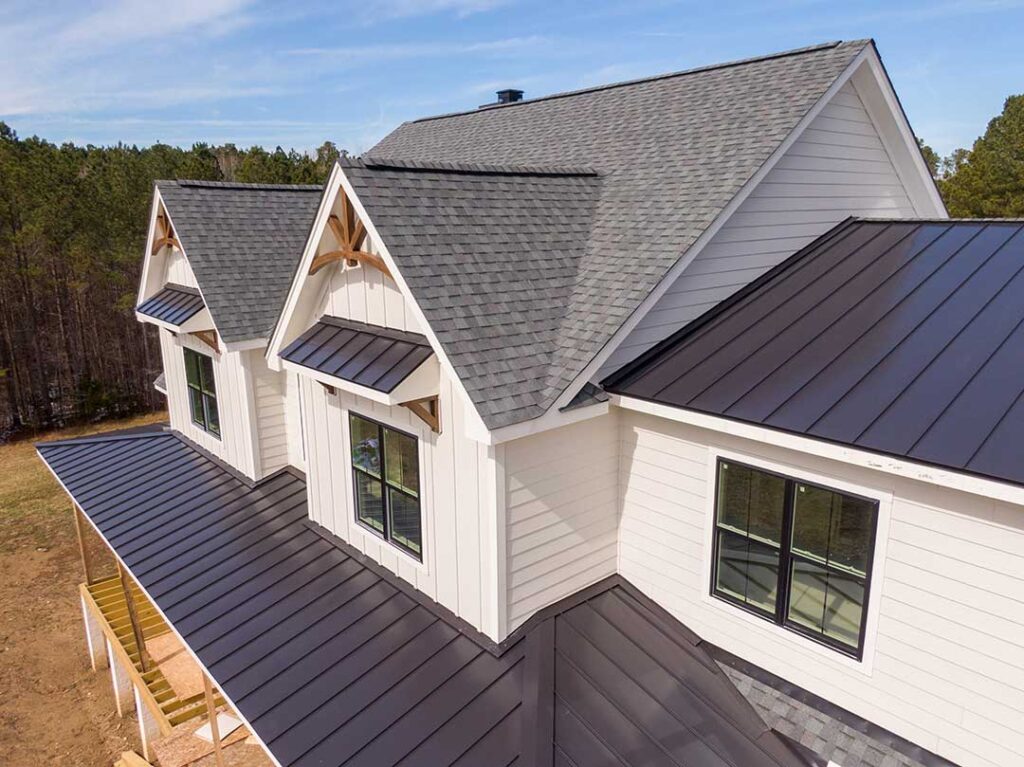
What Happens During a Roofing Project?
A roofing project usually follows a predictable sequence, whether it involves replacing shingles on a historic home or installing a new roof on recent construction. Most projects in Manlius begin with an inspection, include careful preparation, and finish with a detailed cleanup.
Residents can expect the following basic steps:
- A thorough assessment of the existing roof’s condition
- Removal of old roofing materials if needed
- Repair or replacement of the roof deck (wood beneath the surface, if damaged)
- Installation of underlayment for moisture protection
- Placement of new roofing materials (like asphalt shingles or metal panels)
- Flashing and sealing in valleys, chimneys, and other vulnerable areas
- Clean-up and final inspection
Each phase helps protect against the region’s blend of snow, ice, winds, and heavy rain, so skipping steps can create long-term problems.
How Does Local Climate Affect the Roofing Process?
Seasonal swings and precipitation patterns in the area shape both the timing and method of roof work. Spring and early summer are favored for many projects due to mild temperatures and fewer storm risks. Roof replacements are rarely conducted in winter, as ice and snow make conditions hazardous and can hinder proper shingle sealing.
The freeze-thaw cycle is especially tough on materials. Local roofing jobs typically plan for:
- Enhanced attic ventilation to manage winter ice dam formation
- Ice and water shield installation along eaves to stop leaks caused by melting snow
- Quick repairs after storms to prevent small problems from escalating
Working with the seasons not only improves results but can help area households avoid unexpected delays.
What Are the Typical Decisions Owners Face?
Choosing roofing materials, style, and color are just the start. Homeowners in the region also decide on underlayment types, attic ventilation strategies, and whether to address gutters or skylights as part of the project.
Some of the decisions may include:
- Material selection: Asphalt shingles are common due to cost and weather resistance, but metal or composite products offer alternatives for specific needs.
- Color choice: Lighter colors reflect heat in sunny weather, while darker hues help absorb warmth during winter’s colder months.
- Decking repairs: If an inspection reveals rotted or water-damaged decking, replacing sections ensures a strong base for new materials.
- Ventilation upgrades: Adequate airflow in the attic space helps roofs last longer by preventing moisture build-up and summer heat accumulation.
Every choice should reflect the specific needs of the property—age, layout, existing insulation, and neighborhood style all play a role.
How Long Does a Standard Roofing Project Take?
Most single-family homes in Manlius can expect a full roof replacement to last between one to three days, weather permitting. Complex roofs with multiple angles, dormers, or unusual features may take longer.
Common factors influencing duration:
- Roof size and pitch (steeper roofs require more time and safety measures)
- Complexity (chimneys, skylights, and valleys mean extra attention)
- Amount of repair or replacement needed on the underlying decking
Unexpected delays, like discovering hidden wood rot or sudden storms, occasionally extend the timeline. Local residents sometimes have to adjust plans if conditions change rapidly, especially during the spring thaw.
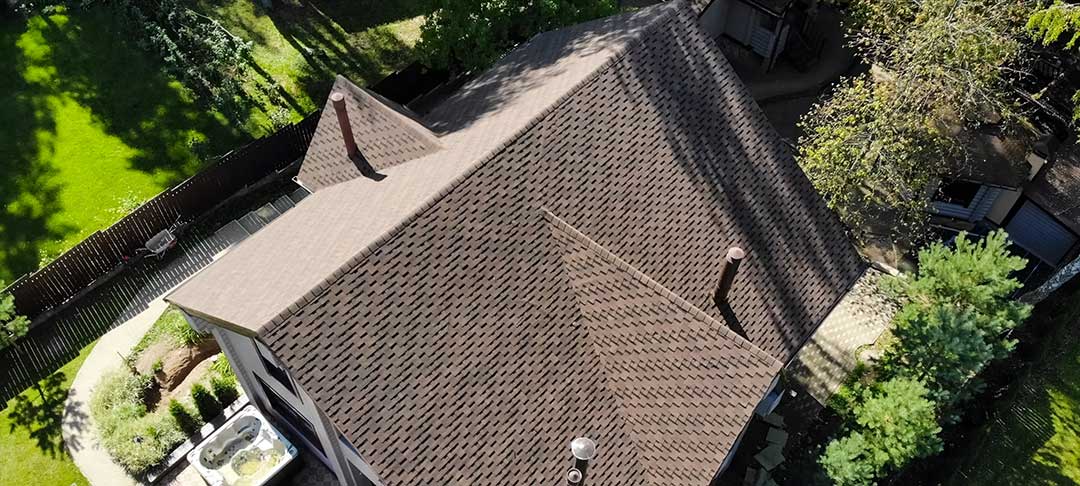
How is Property Protected During Roofing?
Protecting landscaping, driveways, and living spaces throughout a roof project is standard practice. Crews typically use plywood or tarps over gardens and shrubs, and magnets are often rolled over yards afterward to retrieve stray nails.
If residents have specific concerns—like delicate gardens close to eaves or recently paved driveways—communicating those at the outset makes it easier to minimize disruption.
Inside, homeowners sometimes choose to cover attic contents, as vibrations during work can shake loose dust or debris.
Are Permits Needed in Manlius?
Roof replacements and significant repairs usually require building permits to ensure the project meets local safety codes. The city’s permitting process helps ensure roofs are built to a standard that can withstand extreme weather.
Permits are typically not required for minor repairs (like replacing a few shingles). However, any full re-roof or major structural work triggers the need for municipal approval.
Failure to secure a permit for significant work can cause complications if selling a home or filing insurance claims down the road.
What Are Common Misconceptions About Roofing?
Many homeowners expect roof work to be louder, dirtier, or more disruptive than it actually is. While there is noise during shingle removal and replacement, work often starts in the morning and is finished within a couple of days.
Other frequent misconceptions include:
- Believing new shingles alone will solve chronic leaks (while hidden deck damage may go unseen)
- Assuming roof work can be reliably scheduled during winter (snow and ice usually prevent safe work)
- Expecting insurance to cover age-related replacement (most coverage applies only to damage from specific events)
Careful clarification of these points before a project starts can prevent confusion and disappointment.
What Ongoing Care Does a Roof Require After Installation?
Routine inspections, especially after windstorms or heavy snow, are vital to a roof’s longevity. Homeowners in the area often check for loose or missing shingles, clear gutters, and watch attic conditions for leaks or moisture buildup.
Neglecting annual maintenance can shorten a roof’s life, while timely small repairs may prevent the need for early replacement.
- Inspect attic and ceilings for water stains
- Clean out gutters and downspouts multiple times a year
- Remove debris like branches to prevent moss or algae growth
Staying proactive helps area households keep their roofs performing well through all four seasons.
