
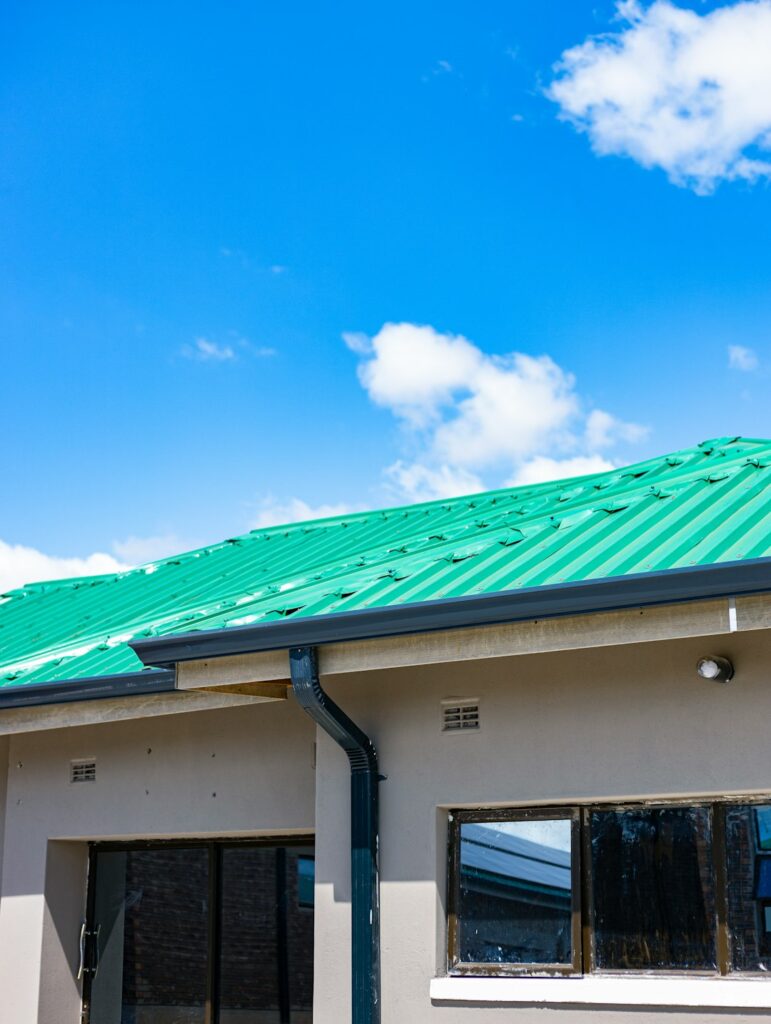
What counts as a roofing emergency?
A roofing emergency is any condition that allows water, snow, wind, or debris to enter the building or creates an immediate safety hazard. A small ceiling stain may be manageable for a short time, while active water flow, a collapsed section, or exposed electrical wiring requires prompt action.
Common emergency situations include:
- A tree limb or large branch has struck the roof.
- Shingles, flashing, or roof panels have been torn away by wind.
- Water is entering through the ceiling, attic, wall, or light fixture.
- A section of the roof is sagging or has collapsed.
- Ice buildup has damaged gutters, edging, or roof drainage.
- Snow or ice has caused unusual movement, cracking, or structural stress.
- A chimney, vent, skylight, or other roof opening has been damaged.
In Manlius, winter weather can combine snow, ice, wind, and repeated freeze-thaw cycles. Those conditions may turn a minor roof defect into an active leak, especially around valleys, roof edges, chimneys, and areas where different materials meet.
What should be done first after discovering roof damage?
The first priority is protecting people and limiting interior damage. Do not begin by climbing onto the roof. A wet, icy, steep, or structurally damaged roof can be unsafe even for someone who is normally comfortable with ladders.
Start with these steps:
1. Move people, pets, furniture, and valuables away from the affected area.
2. Place containers under active drips, but avoid standing beneath sagging ceilings.
3. If water is near a light fixture, outlet, appliance, or electrical panel, shut off power to the affected circuit only if it can be done safely from a dry location.
4. Take clear photographs from the ground and from inside the home.
5. Note when the problem began, what weather occurred, and whether the leak changes during rain, melting snow, or wind.
6. Keep children away from fallen materials, ceiling debris, and wet flooring.
A bulging ceiling should not be ignored. Water may be accumulating above it, and the ceiling material could fail without much warning. Avoid puncturing or cutting it unless there is a specific, safety-based reason and the area can be approached without exposure to falling material or electricity.
Should a homeowner climb onto the roof to inspect it?
Usually, no. Emergency roof inspections are best performed from the ground, attic, or upper-story windows unless the roof is dry, stable, low-sloped, and accessible with appropriate fall protection.
Ladders become especially hazardous on snow-covered ground, icy surfaces, wet shingles, and uneven terrain. Wind can also shift a ladder or make handling a tarp dangerous. A roof that looks intact from the yard may still have weakened decking beneath the surface.
A ground-level inspection can still reveal useful information. Look for:
- Missing or displaced shingles
- Torn or loose metal panels
- Sagging roof lines
- Debris near valleys or roof edges
- Damaged gutters or downspouts
- Shingle granules collecting near downspout outlets
- Broken vents, chimney caps, or flashing
- Water stains in the attic or on upper ceilings
Do not walk on a roof covered by snow or ice. Do not use a ladder during strong winds, lightning, or freezing precipitation.
How can a leak be temporarily controlled?
Temporary measures should reduce water entry until permanent repairs are safe and possible. They are not substitutes for correcting the damaged roofing system.
Inside the home, place a bucket beneath the drip and use towels to protect flooring. If water is spreading along a ceiling or wall, move furnishings away and check nearby rooms because water can travel along framing before appearing indoors.
From the exterior, a tarp may help only when it can be installed without climbing onto an unsafe roof. A tarp must extend beyond the damaged area and be secured so wind cannot turn it into a hazard. Improvised methods such as placing loose plastic over a roof, hammering boards into shingles, or stacking heavy objects on a roof can worsen damage.
Never use a tarp, ladder, or roof covering during high winds. A temporary cover that comes loose may damage siding, windows, gutters, landscaping, or nearby people.
What emergency repairs should not be attempted?
Several common do-it-yourself responses create more risk than benefit:
- Walking on a roof after rain, snow, or freezing temperatures
- Pulling down hanging branches from the roof
- Removing large accumulations of snow without proper equipment
- Cutting into a sagging ceiling
- Applying roofing cement over an unknown leak
- Nailing through shingles without locating the leak source
- Using a pressure washer to clear ice or debris
- Standing beneath a damaged roof edge while inspecting it
- Climbing near overhead utility lines
- Entering an attic with exposed wiring, wet insulation, or visible structural movement

A leak may not originate directly above the interior stain. Water can move along rafters, trusses, underlayment, insulation, and ceiling framing. Covering the visible spot with sealant may hide the symptom while allowing the underlying damage to continue.
When is emergency assistance necessary?
Immediate help is warranted when there is structural instability, widespread water entry, electrical danger, a fallen tree, fire damage, or a risk that materials could fall onto people or property.
Leave the building or affected area if:
- The roof or ceiling is visibly collapsing.
- Walls are separating, leaning, or cracking suddenly.
- A tree is resting on the roof or touching electrical wires.
- There is a burning smell, sparking, or water near electrical equipment.
- Gas service, heating equipment, or ventilation components may be damaged.
- Strong wind is continuing to move roofing materials.
- The attic contains standing water or large areas of soaked insulation.
Roof work above ground level requires suitable fall protection, properly secured access equipment, and an assessment of the roof’s structural condition. Those precautions are particularly important after storms, when hidden damage may make ordinary walking surfaces unreliable.
How should storm damage be documented?
Good documentation helps separate emergency stabilization from later repair decisions. Photograph the damage before moving materials when doing so is safe. Include wide views that show the location and close views of broken or missing components.
Record:
- The date and approximate time of discovery
- Recent rain, wind, hail, snow, or ice conditions
- Rooms affected inside the home
- Visible damage to ceilings, walls, insulation, gutters, siding, or windows
- Temporary steps taken to contain water
- Any damaged personal property
Do not discard damaged roofing materials immediately unless they create a safety hazard. Keep receipts for temporary protective materials and water-removal supplies. A written record can also help identify whether the same area has leaked repeatedly.
How can emergency roof problems be reduced?
Routine observation is more effective than waiting for a major leak. Before winter, check attic ventilation, insulation, flashing, roof edges, gutters, and downspouts. Make sure drainage paths are not blocked by leaves or debris, and confirm that downspouts discharge away from the foundation.
After heavy wind, inspect the yard for fallen shingles or metal pieces. After a snow or ice event, look for sagging gutters, displaced flashing, unusual ceiling stains, and water entering around chimneys or roof penetrations.
Many emergency repairs begin with a small overlooked defect: a lifted shingle, cracked flashing joint, blocked drainage channel, or damaged vent boot. Finding those conditions during dry weather is safer than responding after water is already entering the home.
