
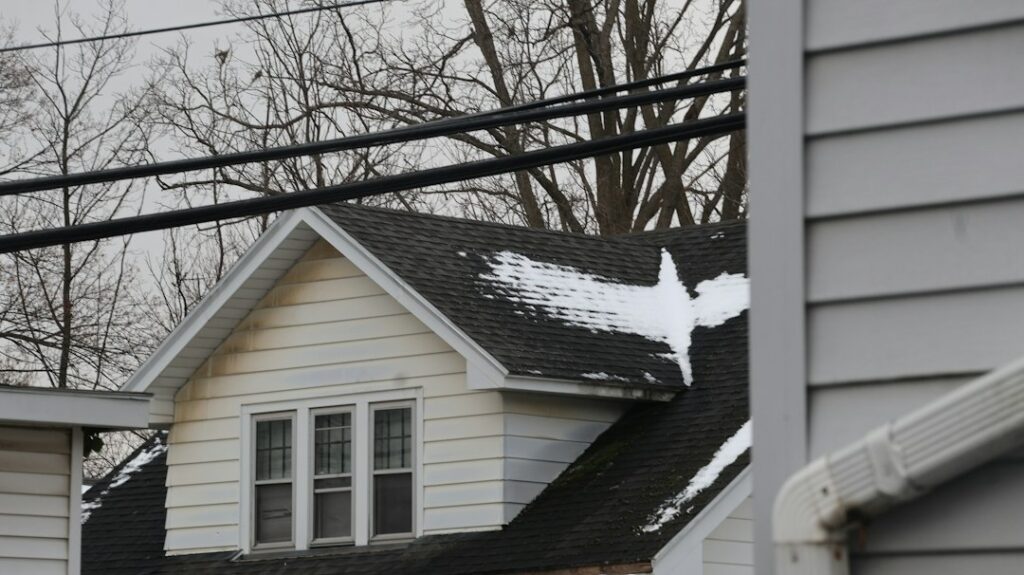
What does preventive roof maintenance actually accomplish?
Preventive roof maintenance is the routine care that helps a roof remain functional before a small defect becomes a leak, structural problem, or premature replacement. It usually involves inspections, clearing debris, checking drainage, watching for damaged materials, and addressing minor issues while they are still manageable.
For homeowners in Manlius, NY, this approach is especially relevant because roofs must handle repeated cycles of snow, ice, freezing temperatures, thawing, heavy rain, wind, and summer heat. These conditions can gradually loosen materials or expose weak points that may not be visible from the ground.
Maintenance does not make a roof last forever. Its value comes from reducing avoidable damage, improving predictability, and helping homeowners make repair or replacement decisions based on evidence rather than emergency conditions.
How does regular maintenance extend a roof’s service life?
A roof often deteriorates gradually rather than failing all at once. Small problems such as lifted shingles, cracked flashing, blocked drainage, or exposed fasteners can allow moisture to reach the layers below. If the issue remains unnoticed, water may affect insulation, roof decking, framing, ceilings, or interior finishes.
Routine inspections help identify these early warning signs. Correcting a limited defect is generally less disruptive than repairing widespread moisture damage after a leak has continued through several storms or thaw cycles.
Maintenance can also reduce stress on the roof system by keeping water moving away from the building. Leaves, twigs, ice-related debris, and other buildup can interfere with drainage. Standing water adds weight and gives moisture more time to work into seams and vulnerable areas.
Why are seasonal changes hard on roofs in Manlius?
The roof is exposed to repeated expansion and contraction as temperatures change. Roofing materials, metal flashing, sealants, and wood components do not all respond to temperature shifts in exactly the same way. Over time, these movements can create gaps, loosen connections, or worsen existing cracks.
Winter adds several forms of stress:
- Snow can add considerable weight, particularly when it becomes compacted or wet.
- Ice can form along roof edges and interfere with drainage.
- Freeze-thaw cycles can enlarge small openings in flashing, masonry, or roofing materials.
- Wind can lift or damage already weakened shingles and edge materials.
Spring is a useful time to look for winter-related damage, but it is not the only appropriate inspection period. Checking the roof before winter can reveal loose materials or drainage problems that may become more serious under snow and ice.
What parts of a roof deserve the most attention?
A roof inspection should consider more than the visible field of shingles. Some of the most important trouble spots are located where materials meet or where water changes direction.
Areas that commonly deserve attention include:
- Roof edges and areas around gutters
- Valleys where two roof sections meet
- Flashing around chimneys, vents, skylights, and wall intersections
- Pipe boots and other roof penetrations
- Ridge caps and exposed fasteners
- Areas beneath overhanging trees
- Attic insulation and ventilation conditions
- Interior ceilings and upper walls below roof intersections
Dark stains, peeling paint, musty odors, damp insulation, or repeated condensation may indicate a moisture problem. These signs do not always identify the exact source, because water can travel along decking or framing before appearing indoors.
Can homeowners perform any roof maintenance themselves?
Some low-risk observations and tasks can be handled by homeowners, but roof access creates fall hazards and should not be treated casually. A person does not need to climb onto the roof to perform useful basic checks.
Reasonable ground-level steps include:

- Looking for missing, curled, cracked, or displaced roofing materials
- Checking whether gutters and downspouts are overflowing during rain
- Observing stains on ceilings or upper walls
- Looking into the attic for damp areas, daylight through the roof deck, or unusual odors
- Keeping tree branches from rubbing against the roof
- Removing accessible debris without stepping onto steep, wet, icy, or fragile surfaces
Walking on roofing materials can cause damage, especially when shingles are brittle, wet, cold, or aged. Roof access should be avoided during snow, ice, strong wind, or other hazardous conditions. Professional evaluation is warranted when the concern involves structural damage, active leaking, electrical hazards, significant snow or ice, or a roof that cannot be safely reached.
Is preventive maintenance cheaper than emergency repair?
Preventive maintenance is not automatically inexpensive, and it cannot prevent every roofing problem. However, it can reduce the chance that a minor issue will develop into a larger repair involving insulation, drywall, framing, flooring, or personal belongings.
The financial value is often found in avoiding secondary damage. A loose piece of flashing may be relatively limited. The same defect left through months of rain and freeze-thaw cycles may contribute to softened decking or interior staining.
Maintenance also improves budgeting. A roof that is periodically observed gives homeowners more time to plan for eventual replacement. By contrast, a sudden leak during severe weather may require decisions under pressure, when temporary protection and urgent repairs take priority.
Does maintenance matter for newer roofs?
Yes. A newer roof can still be affected by wind, falling branches, poor drainage, animal activity, or damage around penetrations. Maintenance also helps confirm that ventilation, flashing, drainage, and roof-edge details are performing as intended.
Newer materials should not be assumed to be immune to damage. A roof can appear attractive from the ground while having a problem in a valley, around a vent, or beneath accumulated debris. Early observation protects the investment and creates a useful record of how the roof changes over time.
How often should a roof be checked?
A practical schedule includes a visual review at least twice a year—typically in spring and fall—and an additional check after unusually strong wind, heavy snow, hail, or fallen branches. The appropriate frequency may be greater for older roofs, buildings surrounded by trees, low-slope sections, or homes with a history of leaks.
The purpose is not to create a rigid calendar. It is to establish regular observation so that changes are noticed before they become emergencies. Keeping brief notes and photographs from safe locations can help track whether a concern is new, stable, or worsening.
What is the long-term value of preventive care?
The long-term value is a combination of longer service life, fewer surprises, better indoor protection, and more informed decisions. Preventive care can help reveal whether a roof needs a small repair, closer monitoring, improved drainage, or eventual replacement.
For households managing the demands of Manlius weather, roof maintenance is best viewed as building upkeep rather than a one-time project. A roof is part of the home’s drainage, insulation, ventilation, and structural protection systems. Observing it regularly helps preserve those functions and reduces the likelihood that a manageable concern will remain hidden until it becomes an urgent problem.
